Choosing durable furnishings is less about chasing premium labels and more about reading evidence. How To Choose Durable Home Furnishing Products begins with construction, materials, and expected use. A solid dining chair should feel stable when you shift your weight. Its joints should remain quiet, tight, and even. Drawers should glide without scraping. Upholstery should recover after pressure, rather than staying visibly crushed.
William Morris, the influential British designer and craft advocate, offered a useful principle: “Have nothing in your house that you do not know to be useful, or believe to be beautiful.” His words encourage buyers to consider lasting value, not temporary fashion. A durable sofa may use a hardwood frame, reinforced corner blocks, high-resilience foam, and tightly woven fabric. However, appearance can mislead. Some heavy products still hide weak particleboard or poor fasteners.
Look beneath the surface.
Check the warranty, care instructions, replacement-part policy, and material disclosures. Ask whether the manufacturer tests seams, finishes, hinges, or load strength. Real experience matters, too. A table exposed to children, pets, and daily spills needs a different finish than a rarely used console. Sample fabrics under natural light. Rub them gently. Inspect the underside and back panels.
There is no perfect choice. I have seen expensive pieces fail because moisture was ignored. I have also seen modest furniture last for years with careful maintenance. Therefore, judge the product, seller, and living environment together. Buy fewer pieces when possible. Choose repairable designs. Leave room for doubt, because a polished showroom cannot prove long-term durability.
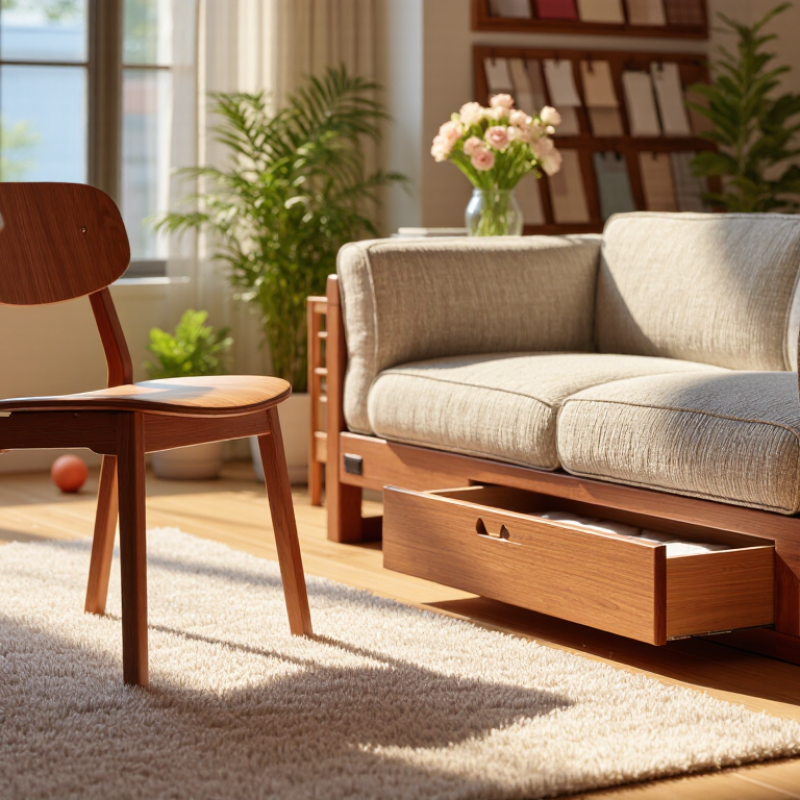
Durability means different things across home furnishing categories. For sofas and dining chairs, inspect frame joints, seat support, stitching, and fabric abrasion resistance. A sturdy frame can still fail when cushions flatten quickly. Sit on the furniture and listen for creaking. Small noises matter.
For tables and storage units, durability includes load capacity, stable hardware, moisture resistance, and repairability. Solid connections usually matter more than impressive thickness. Check drawer runners and hinge movement several times. For rugs and curtains, consider fiber strength, colorfastness, cleaning needs, and sunlight exposure. In bathrooms or kitchens, sealed surfaces resist swelling better. I once chose a beautiful untreated cabinet and underestimated daily humidity. That was a useful mistake.
Tips: Match testing to use. Choose stain-resistant upholstery for busy dining areas. Measure expected loads for shelves. Look for replaceable covers, screws, and handles. Ask for care instructions and performance data, not vague claims. For lighting, check heat management, switch quality, and cable protection. For mattresses, durability also depends on support retention and ventilation. Avoid judging every product by weight alone. Heavy can still mean poorly assembled. Inspect the details you will touch, move, wash, or repair regularly.
| Home Furnishing Category | What Durability Means | Key Performance Indicators | Useful Tests or Standards | Typical Service-Life Target | Practical Buying Check |
|---|---|---|---|---|---|
| Sofas and Upholstered Seating | Maintains frame stability, cushion resilience, seam integrity, and acceptable appearance under repeated sitting and everyday movement. | Frame joint strength; seat compression recovery; fabric abrasion resistance; seam strength; cushion density and support. | Martindale or Wyzenbeek abrasion testing for upholstery; load and durability testing for seating; inspection of joints and fasteners. | Sit on every seat, check for movement or creaking, inspect the underside, and confirm that cushions recover their shape after pressure is released. | |
| Mattresses | Retains support, comfort, and shape without excessive sagging, edge breakdown, or permanent body impressions. | Indentation load deflection; height retention; edge support; material recovery; temperature and moisture management. | ASTM F1566 mattress performance testing; repeated-load testing; visual inspection for uneven settlement. | Lie in the normal sleeping position, test edge support, look for reinforced handles and a removable washable cover, and review the warranty exclusions. | |
| Dining and Work Tables | Resists wobbling, surface wear, moisture exposure, impact, and loosening at joints during frequent use. | Top thickness and stiffness; joint strength; finish resistance to abrasion, stains, heat, and moisture; leg stability. | Surface resistance testing for household furniture finishes; repeated-load and stability testing; inspection of fasteners and joinery. | Apply light pressure from several directions, check whether the top flexes, examine edge sealing, and request care instructions for spills and heat. | |
| Dining Chairs | Withstands repeated sitting, leaning, and lateral movement without loosened joints, cracked components, or loss of balance. | Static and cyclic load capacity; backrest strength; joint durability; leg stability; seat-cover abrasion resistance. | EN 12520 for domestic seating strength and durability; ANSI/BIFMA seating tests where applicable; stability checks. | Check that all legs sit evenly, test the backrest carefully, inspect corner joints, and avoid chairs with visible staples or uneven gaps. | |
| Beds and Bedroom Storage | Supports repeated loading while keeping the frame, slats, hinges, drawers, and alignment secure and quiet. | Static load capacity; slat spacing and deflection; connector strength; drawer-cycle performance; resistance to racking. | EN 1725 bed-base and bed-strength testing; furniture stability testing; repeated opening and closing of drawers and doors. | Check center support legs, tightenability of connectors, drawer alignment, ventilation under the mattress, and the availability of replacement hardware. | |
| Cabinets, Wardrobes, and Bookcases | Remains stable and square under stored weight, while shelves, hinges, runners, and finishes resist daily use. | Shelf load capacity; anti-tip stability; door and drawer cycle life; back-panel rigidity; resistance to humidity and surface scratches. | EN 14749 for domestic storage furniture; anti-tip and stability testing; cycle testing for hinges and drawer runners. | Look for adjustable shelves, full-depth structural backs, metal or reinforced fittings, wall-anchoring provisions, and smooth drawer travel. | |
| Outdoor Furniture | Resists ultraviolet exposure, rain, temperature changes, corrosion, mold, and repeated wet-dry cycles without unsafe deterioration. | UV colorfastness; corrosion resistance; water drainage; freeze-thaw performance; fastener quality; fabric mildew resistance. | Accelerated weathering tests such as ASTM G154; corrosion testing such as ASTM B117 where relevant; outdoor textile colorfastness tests. | Choose corrosion-resistant hardware, inspect drainage points, confirm the material is rated for outdoor exposure, and plan seasonal storage or covers. | |
| Rugs and Floor Coverings | Maintains pile appearance, backing integrity, color stability, and dimensional shape despite foot traffic, cleaning, and furniture pressure. | Wear resistance; pile density; colorfastness; edge binding strength; backing adhesion; resistance to stains and moisture. | ASTM D5252 appearance-retention testing; ASTM D3884 abrasion testing; colorfastness and dimensional-stability testing. | Bend the rug to inspect backing quality, check edge binding, confirm cleaning compatibility, and select a traffic rating suited to the room. | |
| Curtains and Window Shades | Operates smoothly and retains shape, color, stitching, and mounting strength under repeated movement and daylight exposure. | Lightfastness; tear and seam strength; dimensional stability; operating-cycle performance; coating and lining integrity. | AATCC lightfastness methods; textile colorfastness testing; repeated-cycle testing for cords, chains, tracks, and mechanisms. | Operate the product repeatedly, inspect stitching and mounting points, verify washing instructions, and avoid products with exposed or unsafe loop cords. | |
| Lighting Fixtures | Provides safe, stable operation without excessive heat, flicker, loose connections, or deterioration of electrical and structural parts. | Electrical insulation; thermal management; switch and socket life; mounting strength; ingress protection where exposed to moisture. | Applicable IEC or UL electrical safety requirements; IP rating tests for protected fixtures; thermal and endurance testing. | Check safety certifications for the installation region, ventilation around heat-producing parts, cable strain relief, and replacement-part availability. | |
| Kitchen and Bathroom Fixtures | Resists water, humidity, cleaning chemicals, heat, mineral deposits, and repeated operation without leaking or corroding. | Valve-cycle life; leak resistance; coating adhesion; corrosion resistance; seal durability; resistance to household chemicals. | Applicable plumbing standards such as ASME A112 or EN requirements; pressure and leakage testing; cyclic operation testing. | Inspect seals and connections, choose finishes suited to water quality, confirm replacement cartridges or parts are available, and avoid harsh cleaners. | |
| Decorative Accessories | Retains structural integrity, finish quality, and safe placement during normal handling, cleaning, and environmental exposure. | Impact resistance; coating adhesion; colorfastness; base stability; material safety; resistance to heat and moisture where relevant. | Finish adhesion and scratch testing; stability checks; applicable material-safety and flammability requirements. | Check that the base is stable, surfaces are free from sharp edges, finishes do not flake, and the care method matches the material. |
Service-life targets are general planning ranges, not guarantees. Actual durability depends on material quality, construction, usage intensity, climate, installation, maintenance, and repairability.
Check frame joints, seat support, stitching, and fabric abrasion resistance. Sit down and listen for creaking. Small noises matter. Firm frames cannot prevent cushions from flattening quickly.
Check load capacity, stable hardware, moisture resistance, and repairability. Open drawers and move hinges several times. Solid connections often matter more than thick panels. Test it twice.
Examine fiber strength, colorfastness, cleaning needs, and sunlight exposure. Strong sunlight can fade fabric near windows. Ask about washing instructions before buying.
Choose sealed surfaces that resist swelling. Inspect cabinet edges and exposed joints carefully. I once chose an untreated cabinet and underestimated daily humidity. That choice failed.
Look for smooth edges, secure joints, balanced frames, and suitable load ratings. Tall furniture may need wall-anchoring hardware. Upholstery should resist tearing and meet relevant fire-safety requirements.
Look for recognized safety certification, protected wiring, and reliable switches. Check heat management and cable protection. A stylish fixture can still be poorly assembled.
Consider material sourcing, low-emission finishes, replaceable parts, packaging, transport, and disposal. Recycled content alone proves little. Complete supplier information is often unavailable. This comparison remains difficult.
Ask for care instructions, material declarations, test reports, performance data, and warranty details. Check standards from recognized national or international bodies. Vague claims deserve independent verification. Keep assembly instructions for later repairs.
How To Choose Durable Home Furnishing Products begins with understanding that durability varies by category. A sofa may need strong frames, supportive joints, and abrasion-resistant fabric, while a dining table depends on stable construction, moisture resistance, and a reliable load-bearing surface. Examine the quality of materials, connection methods, finishes, and hardware rather than judging a product by appearance alone. Consider how often each item will be used and whether it can withstand the weight, movement, and daily demands of your household.
Long-term value also depends on maintenance, expected lifespan, and repairability. Choose furnishings that are easy to clean, have replaceable or serviceable parts, and come with clear care instructions. Safety certifications, responsible material choices, and compliance with recognized product standards can further support a sound decision. Finally, match durability to your home’s environment and lifestyle, including children, pets, humidity, available space, and budget. The best choice is not always the most expensive product, but one that offers dependable performance and practical longevity for your specific needs.

 TYE Home Furnishing