Creating a stylish bedroom interior that inspires relaxation is an art in itself. Expert interior designer Sarah Johnson emphasizes, "A bedroom should be a sanctuary, a place where you truly unwind." This notion resonates deeply in today's fast-paced world.
The bedroom is a personal retreat. It can reflect your personality and provide peace. Layered textures, soothing colors, and carefully chosen decor can transform the ordinary into the extraordinary. However, achieving a balanced look is challenging. Too many elements can lead to chaos rather than calm.
Consider lighting; it plays a crucial role. Soft, warm lights can create an inviting ambiance. But remember, it’s easy to overdo it. Minimalism often fosters relaxation. Perhaps you should reevaluate your current design choices. Are they truly serving your need for tranquility? Think critically about your space. In "How To Create A Stylish Bedroom Interior," it’s essential to strike a harmony between style and serenity. Your bedroom should be a canvas for comfort and inspiration.
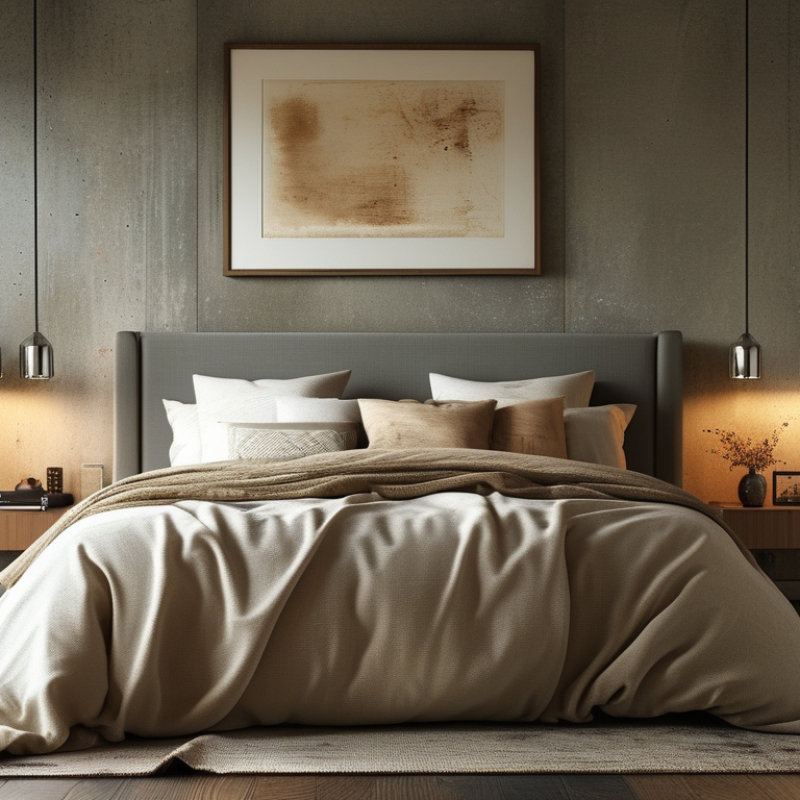
Creating a calming atmosphere in your bedroom starts with the right color palette. Studies show that color significantly impacts our mood and well-being. For instance, blue hues are linked to lower blood pressure and heart rates. This connection makes blue an excellent choice for a relaxing bedroom.
When selecting colors, consider soft pastels or neutral tones. These shades can create a serene environment. Data from the Color Marketing Group indicates that soft colors can enhance feelings of tranquility. However, striking a balance is crucial. Too many muted tones might feel dull or uninspired.
Incorporating splashes of color can invigorate the space. A warm accent, like a gentle peach or muted green, can stimulate while still promoting calmness. Remember, lighting plays a big role in how colors are perceived. Natural light can enhance soft colors during the day, while warm lighting can create a cozy vibe in the evening.
Finding the perfect palette often requires experimentation. You might not achieve the desired effect on the first attempt. Trying different combinations can help identify what resonates best with your personal sense of peace. Don't hesitate to reflect on how certain colors make you feel in various lighting conditions. Adjustments might be necessary for a truly relaxing bedroom sanctuary.
Creating a bedroom that epitomizes comfort and style starts with understanding the importance of furniture selection. A recent report from the American Home Furnishings Alliance states that comfort significantly impacts overall sleep quality. Opting for ergonomic furniture can enhance relaxation. A well-chosen mattress can reduce stress on the body, leading to better sleep. It’s crucial to choose furniture that not only looks good but also promotes well-being.
Complement your space with versatile pieces. A stylish armchair or ottoman can serve multiple purposes, from lounging to storage. Layering textures adds depth; consider combining fabric soft furnishings with sleek wood or metal accents. This juxtaposition creates visual interest and makes the room inviting. Remember that clutter can undermine tranquility. Keep surfaces tidy to foster a serene atmosphere.
When selecting colors, softer tones like pastels or muted shades evoke calm. However, personal preference is essential. Don't be afraid to incorporate bold elements if they resonate with you. Lighting also plays a vital role; adjustable lamps can set the perfect mood. Creating a stylish bedroom involves a delicate balance between function and aesthetics. Using these principles can inspire a space that encourages relaxation and rejuvenation.
In crafting a bedroom that exudes relaxation, the choice of textures and fabrics plays a crucial role. Soft, breathable materials like organic cotton and linen create a calming atmosphere. Consider layering them on your bed, combining sheets, duvets, and throws. This not only adds warmth but also invites you to unwind. You might find that the gentle touch of these fabrics can enhance your mood.
Textures don’t just stop at fabrics. Think about plush rugs underfoot, or textured wall coverings that draw the eye. Incorporate elements like woven baskets for storage. They add natural warmth and visual interest. The soothing sounds of a soft textile can also enhance your space. While silk feels luxurious, it might require more upkeep than you’re prepared for. Embrace what resonates with your lifestyle.
Remember to infuse your personality into the design. Choose colors and patterns that evoke peace. A well-planned bedroom respects both aesthetics and practicality. Keep in mind that comfort is not just about how things look but also how they feel. Reflect on your choices and question if they inspire true relaxation. Your ideal sanctuary awaits with each thoughtful detail.
Lighting plays a crucial role in creating a stylish bedroom that induces relaxation. Soft, ambient lighting can transform a space. Consider using dimmable options to adjust the mood at different times of the day. A gentle glow can make your bedroom feel more inviting. It’s essential to think about the color temperature of your bulbs. Warm tones can evoke a cozy atmosphere, while cool tones may feel more clinical.
Incorporating various light sources can enhance the room's dynamics. A combination of table lamps, floor lamps, and wall sconces can create layers of light. Positioning lights near your bed provides convenience for late-night reading. Use of fairy lights or LED strips behind furniture adds a subtle, whimsical touch. However, rely on these decorative elements thoughtfully. Too many lights might overwhelm the space.
Remember, less is often more. The goal is to reduce stress, not create complexity. It's easy to get carried away with designs. Focus on what genuinely makes you feel relaxed. Regularly assess your lighting choices. Mood changes, and so might your preferences. A well-lit bedroom should evolve with your needs, leading to a comforting haven where you can unwind.
Creating a bedroom that inspires relaxation begins with adding personal touches and elements from nature. Consider incorporating artwork that resonates with you. Handpicked pieces can evoke emotions and make the space uniquely yours. Sometimes, it’s the imperfections in those items that add character, like a slightly misshaped vase or a painting with visible brush strokes.
Integrating plants is another effective way to enhance your interior. Choose low-maintenance varieties, like succulents or snake plants, if you lack a green thumb. Their presence brings life to the room and purifies the air. A small herb garden on the windowsill can infuse the space with delightful fragrances. Just remember that caring for plants requires effort and attentiveness, which can be a delightful challenge.
Natural textiles contribute to a calming atmosphere as well. Explore various fabrics for bedding and throws. Linen and cotton are breathable choices that create a cozy feeling. However, these may require frequent washing to maintain their appearance. Embrace the reality of everyday life, and accept that not every detail will be perfect. Finding beauty in your space is about recognizing the charm in its authenticity.
This chart illustrates the importance of various design elements in creating a relaxing bedroom environment. The data reflects the preferences of individuals regarding these elements.
: Blue hues are excellent for relaxing. Soft pastels and neutral tones create a serene environment.
Natural light enhances colors during the day. Warm lighting creates a cozy vibe in the evening.
Experiment with color combinations. Reflect on how colors make you feel in different lighting.
Incorporate artwork that resonates with you. Unique, imperfect items can add character to your space.
Plants bring life and purify the air. Choose low-maintenance ones like succulents for easier care.
Yes, natural fabrics like linen and cotton provide breathability. They may need regular washing for upkeep.
Yes, too many might feel dull or uninspired. Finding a balance is crucial for a vibrant atmosphere.
Reflect on your color choices and lighting. Small adjustments can create a more peaceful environment.
Caring for plants requires effort. However, it's a rewarding challenge that brings joy to your space.
Recognize the charm in everyday life. Accept that not everything needs to be perfect for beauty to exist.
When considering "How To Create A Stylish Bedroom Interior That Inspires Relaxation," it's essential to start with a calming color palette that promotes tranquility. Soft, muted tones can significantly impact your mood and help establish a serene environment. Next, selecting comfortable and stylish furniture is crucial; opt for pieces that not only look good but also provide the necessary support for relaxation.
Incorporating soothing textures and fabrics, such as plush throws and soft bedding, can enhance the comfort of your space. Additionally, strategic lighting plays a vital role in creating a relaxing atmosphere—consider using dimmable lights or soft bedside lamps to adjust the mood. Finally, adding personal touches and elements from nature, like indoor plants or artwork that inspires joy, can provide a unique charm to your sanctuary. By following these guidelines, you'll be equipped to transform your bedroom into a stylish retreat that nurtures relaxation and personal well-being.

TYE Home Furnishing